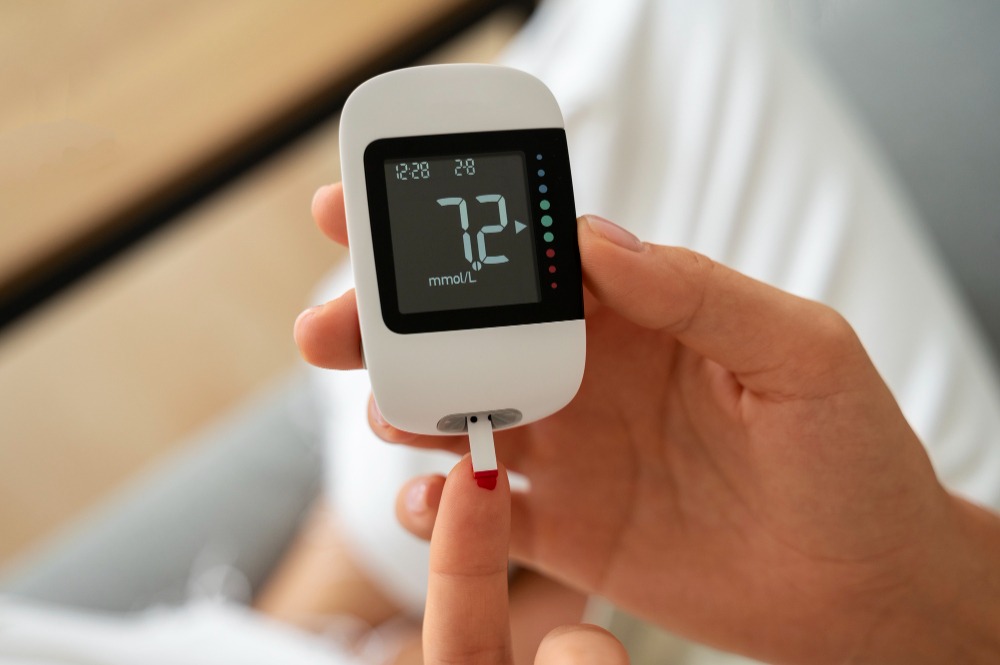
Prediabetes is often called a “silent” condition — but your body usually gives warning signals long before type 2 diabetes develops.
More than 1 in 3 adults may have prediabetes, and many don’t know it. The good news? Prediabetes is reversible when caught early.
Understanding the early signs can help you take action before blood sugar levels rise into the diabetic range.
Here are 12 early signs of prediabetes you should never ignore.
1. Increased Thirst (Polydipsia)
If you constantly feel thirsty—even after drinking water—it may be your body trying to flush out excess glucose from your bloodstream.
High blood sugar pulls fluids from tissues, leading to persistent thirst.
2. Frequent Urination
When blood sugar rises, your kidneys work harder to remove excess glucose.
This can cause:
Frequent urination
Waking up multiple times at night
Larger urine volume
If you notice a sudden change in urination patterns, get checked.
3. Unexplained Fatigue
Glucose is your body’s main energy source. When insulin resistance develops, cells can’t absorb glucose efficiently—leading to fatigue.
Persistent tiredness without obvious cause may signal metabolic imbalance.
4. Increased Hunger (Polyphagia)
If you feel hungry shortly after eating, insulin resistance may be preventing proper glucose utilization.
This can cause:
Strong carb cravings
Overeating
Energy crashes
5. Darkened Skin Patches (Acanthosis Nigricans)
One of the most visible early signs of insulin resistance is dark, velvety skin around:
Neck
Armpits
Groin
Elbows
This is strongly linked to elevated insulin levels.
6. Blurred Vision
High blood sugar can cause fluid shifts in the eye lenses, leading to temporary blurred vision.
If your vision fluctuates without explanation, blood sugar testing is important.
7. Slow Healing Wounds
Elevated glucose impairs circulation and immune response.
If small cuts or bruises take longer than usual to heal, this may indicate prediabetes.
8. Tingling or Numbness in Hands and Feet
High blood sugar can begin damaging nerves early.
Symptoms may include:
Pins-and-needles sensation
Burning feeling
Numbness
Early nerve changes can occur before full diabetes develops.
9. Weight Gain Around the Abdomen
Excess belly fat is strongly associated with insulin resistance.
Visceral fat (fat around organs) increases the risk of metabolic syndrome and type 2 diabetes.
10. Mood Changes and Irritability
Blood sugar fluctuations can affect brain function.
You may notice:
Irritability
Anxiety
Difficulty concentrating
Mood swings
Stable glucose = stable mood.
11. Recurring Infections
High glucose levels create an environment where bacteria and fungi thrive.
Common infections:
UTIs
Yeast infections
Skin infections
Frequent infections may indicate underlying blood sugar issues.
12. Elevated Blood Sugar on Routine Labs
Sometimes prediabetes has no obvious symptoms.
It’s detected through:
Fasting blood glucose
Hemoglobin A1c
Oral glucose tolerance test
Many people only discover prediabetes during annual checkups.
What Causes Prediabetes?
Prediabetes develops due to insulin resistance, where cells stop responding effectively to insulin.
Major risk factors include:
Overweight or obesity
Family history of diabetes
Sedentary lifestyle
High blood pressure
PCOS
Age over 35
Poor diet high in refined carbs
Can Prediabetes Be Reversed?
Yes — and that’s the most important message.
With lifestyle changes, many people return blood sugar levels to normal.
Effective strategies include:
Losing 5–10% of body weight
Exercising 30 minutes daily
Reducing refined carbohydrates
Increasing fiber intake
Prioritizing sleep
Managing stress
Early action prevents progression to type 2 diabetes.
When Should You See a Doctor?
If you notice multiple symptoms or have risk factors, testing is simple and quick.
You should get screened if:
You are overweight
You have high blood pressure
You have family history of diabetes
You are over age 35
You had gestational diabetes
Early diagnosis prevents complications like heart disease, kidney damage, and nerve problems.
Final Thoughts
Prediabetes doesn’t happen overnight.
Your body sends signals long before diabetes develops. Increased thirst, fatigue, dark skin patches, and abdominal weight gain are not random—they’re metabolic warning signs.
The earlier you act, the easier it is to reverse.
If you recognize these 12 early signs of prediabetes, don’t ignore them. A simple blood test could protect your long-term health.
Many people live with prediabetes without knowing it. A simple blood test can provide clarity. At Passion Health Primary Care, we focus on early detection, prevention, and long-term wellness — because your health deserves proactive care.
Author : Dr. Vellaiappan Somasundaram …………… About