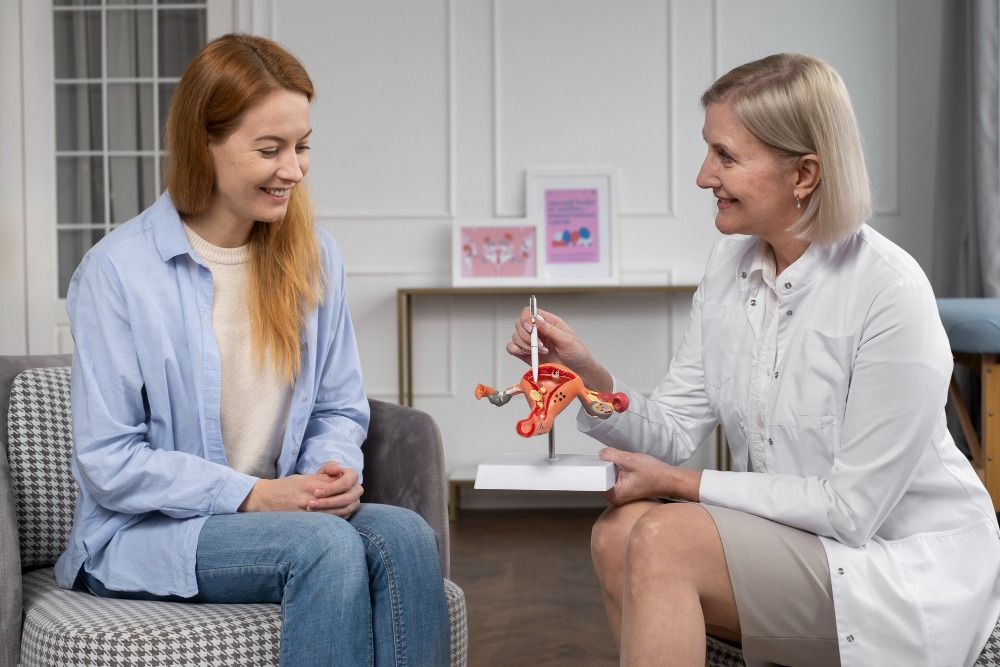
The landscape of women’s health has changed significantly with the 2026 update to cervical screening guidelines. Understanding the difference between a Pap smear and an HPV test is the first step in taking control of your long-term wellness.
1. What is the Difference?
Many patients use these terms interchangeably, but they serve two distinct purposes:
- The Pap Smear (Cytology): This test looks at the cells themselves. A clinician collects a sample to see if any cells have already begun to change or look “abnormal.”
- The HPV Test (Molecular Testing): This test looks for the cause. It identifies the presence of “high-risk” DNA strains of the Human Papillomavirus, which are responsible for nearly all cases of cervical cancer.
Why “Primary hrHPV” is the New Standard
As of 2026, many health organizations now prefer Primary hrHPV testing over the traditional Pap smear for women aged 25–65. Research has shown that detecting the virus before it causes cell changes is a more effective way to prevent cancer from ever starting.
2. The Benefits of Early Detection
Regular screening at Passion Health Primary Care ensures you aren’t just treating a disease—you’re preventing one.
- Catch Precancer, Not Cancer: Screening identifies “CIN” (Cervical Intraepithelial Neoplasia), which can be treated in minutes in a doctor’s office.
- Less Invasive Treatment: Early detection often means a simple follow-up or a LEEP procedure, avoiding the need for hysterectomies, chemotherapy, or radiation.
- Peace of Mind: A negative HPV/Pap co-test provides 99% certainty that you will not develop cervical cancer within the next five years.
3. Latest 2026 Prevention Strategies
Beyond regular clinic visits, you can lower your risk profile by following these expert-backed tips:
- The HPV Vaccine: Even if you are over 26, the vaccine is now approved for adults up to age 45. It protects against the most aggressive cancer-causing strains.
- Smoking Cessation: Smoking weakens the immune system’s ability to clear an HPV infection, making it significantly more likely that the virus will cause cell damage.
- Self-Collection Kits: If you have a busy schedule at our North Texas clinics, ask about FDA-approved self-sampling kits that allow you to collect your own HPV sample in the privacy of your home or our office.
Clinical Fact: Cervical cancer is unique because it is almost 100% preventable through a combination of vaccination and routine screening.
Author : Dr. Anantha Chentha