Chest Pain: Is It Just Gas or a Heart Attack? Don’t Ignore These Warning Signs
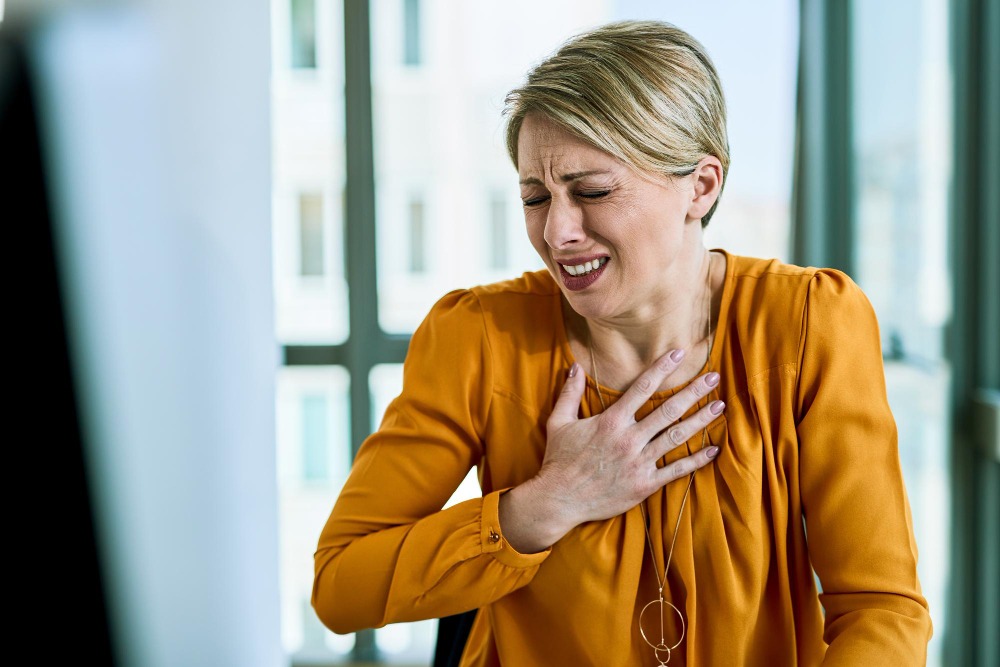
You feel a sudden tightness in your chest. Your mind immediately races — Is this a heart attack? Or did I just eat too fast?
Your first thought might be, “It’s probably just gas.”
But what if it isn’t?
Chest pain is one of the most common — and most misunderstood — warning signs your body gives you. Sometimes it’s harmless. Other times, it could signal something serious, like a heart condition that needs immediate attention.
At Passion Health Primary Care, we see patients every day who waited too long, assuming their symptoms would pass. The truth? Acting early can make all the difference.
Concerned about your symptoms? Book an appointment with Passion Health Primary Care today.
What Is Chest Pain, Exactly?
Chest pain is any discomfort, pressure, tightness, aching, or burning sensation felt anywhere between your neck and your upper abdomen. It can be sharp or dull, constant or come-and-go, and it can feel completely different depending on what’s causing it.
The reason chest pain gets so much attention — and rightfully so — is that some of its causes involve the heart or lungs, which are among the most serious medical emergencies a person can face.
But not all chest pain is dangerous. In fact, the majority of chest pain cases have non-cardiac causes. The key is knowing the difference.
Warning Signs You Should Never Ignore
Some types of chest pain are clear red flags that demand immediate attention. If you experience any of the following, get to an emergency room right away:
Pressure, squeezing, or crushing sensation in the center or left side of your chest
Pain that spreads to your arm, shoulder, jaw, neck, or upper back
Shortness of breath, with or without chest discomfort
Cold sweats, nausea, or lightheadedness alongside chest pain
Sudden rapid heartbeat paired with chest tightness
Fatigue that feels unusual or overwhelming, especially in women
These are classic warning signs of a heart attack or another serious cardiac event. Every minute matters when your heart is involved — please don’t wait it out
Early Signs and Symptoms of Chest Pain
Chest pain doesn’t always feel the same. It can show up in subtle or alarming ways.
Common symptoms include:
Pressure, tightness, or squeezing in the chest
Sharp or stabbing pain
Burning sensation (often mistaken for acid reflux)
Pain spreading to arms, neck, jaw, or back
Shortness of breath
Dizziness or lightheadedness
Nausea or sweating
Pain that worsens with activity
Some people — especially women — may experience typical symptoms, such as:
Fatigue
Mild discomfort instead of severe pain
Indigestion-like feeling
Not sure if these symptoms apply to you? Talk to a doctor today.
Common Causes of Chest Pain
Understanding why chest pain happens can help you take the right next step. Here are the most common causes:
Heart-related causes:
Heart attack — a blockage in the arteries supplying your heart
Angina — reduced blood flow to the heart, often triggered by exertion or stress
Pericarditis — inflammation around the heart’s outer sac
Aortic dissection — a tear in the body’s main artery (a rare but life-threatening emergency)
Digestive causes:
GERD (acid reflux) — stomach acid backing up into the esophagus
Esophageal spasm — sudden, painful muscle contractions in your throat tube
Gallbladder issues — gallstones can cause pain that radiates into the chest
Lung-related causes:
Pulmonary embolism — a blood clot in the lung
Pleurisy — inflammation of the lining around your lungs
Pneumothorax — a collapsed lung
Musculoskeletal causes:
Costochondritis — inflamed cartilage where ribs meet the breastbone
Strained chest muscles — from exercise, coughing, or injury
Other causes:
Panic attacks, which can closely mimic heart attack symptoms
Shingles — a viral infection that causes pain along the chest wall
Why Chest Pain Can Be Dangerous
Here’s the reality: you cannot always tell the difference between harmless and life-threatening chest pain on your own.
A heart attack may not always feel dramatic. Sometimes it starts as:
Mild discomfort
Pressure that comes and goes
Symptoms mistaken for indigestion
Ignoring chest pain can lead to:
Permanent heart damage
Severe complications
Life-threatening emergencies
That’s why timing matters. Acting early can save your life.
When Should You See a Doctor?
This is the most important section — because it can protect you.
Call emergency services immediately if you have:
Chest pain lasting more than a few minutes
Pain spreading to the arm, jaw, or back
Shortness of breath
Sweating, nausea, or dizziness
Schedule a doctor visit if you have:
Recurring chest pain
Pain triggered by stress or meals
Unexplained discomfort
Risk factors like high blood pressure, diabetes, or smoking
At Passion Health Primary Care, we encourage patients to never self-diagnose chest pain. It’s always better to be safe than sorry.
How Chest Pain Is Diagnosed
When you come in to see us at Passion Health primary care, your doctor will start with a detailed review of your symptoms, medical history, and risk factors. From there, they may recommend one or more of the following:
EKG (Electrocardiogram) — checks your heart’s electrical activity and can detect a heart attack
Chest X-ray — looks at your heart, lungs, and chest structure
Blood tests — check for cardiac enzymes that spike during a heart attack
Echocardiogram — an ultrasound of the heart to assess function
Stress test — evaluates how your heart performs under physical exertion
CT scan — can identify clots, aortic problems, or lung issues
Our experienced physicians are trained to connect the dots between your symptoms and test results — giving you an accurate diagnosis, not a guess.
Treatment Options for Chest Pain
The good news? Most causes of chest pain are very treatable when caught in time. Treatment depends entirely on the underlying cause:
Cardiac causes may require medications like blood thinners, nitrates, beta-blockers, or, in some cases, procedures like stenting or bypass surgery
GERD and acid reflux are typically managed with lifestyle changes and medications like proton pump inhibitors
Costochondritis and musculoskeletal pain often respond well to anti-inflammatory medications and rest
Panic attacks are treated with therapy, stress management techniques, and sometimes medication
Pulmonary conditions like clots or pleurisy require targeted medications and monitoring
Whatever the cause, having a treatment plan — from a doctor who knows you — makes all the difference.
What This Means for You
Chest pain is your body’s way of saying, “Pay attention.”
It doesn’t always mean something serious — but it always deserves respect.
Here’s what you should take away:
Don’t guess the cause
Don’t ignore recurring symptoms
Don’t delay care
At Passion Health Primary Care, we focus on early detection, personalized care, and peace of mind.
Don’t ignore early warning signs.
Book your appointment with Passion Health Primary Care today and take control of your health.
Final Thoughts: Don’t Ignore the Warning Signs
Chest pain is not something to “wait out” or ignore.
Even if it turns out to be something minor, getting checked gives you clarity, relief, and protection.
Frequently Asked Questions About Chest Pain
Q: How do I know if my chest pain is heart-related or just gas? Heart-related chest pain typically feels like pressure, squeezing, or tightness — and it often spreads to the arm, jaw, or back. Gas pain tends to be more localized, may shift around, and is often relieved by burping or passing gas. When in doubt, always get it checked by a doctor.
Q: Can anxiety and stress cause chest pain? Yes, absolutely. Panic attacks can cause very real, very intense chest pain that closely mimics a heart attack — including a racing heart, shortness of breath, and sweating. However, you should never assume chest pain is just anxiety without ruling out cardiac causes first.
Q: Is chest pain after eating always heartburn? Not always. While GERD and acid reflux commonly cause burning or pressure in the chest after meals, chest pain after eating can also be linked to esophageal spasms, gallbladder issues, or, in some cases, even angina (heart-related). A doctor can help determine the exact cause.
Q: What should I do if I have mild chest pain that comes and goes? Don’t ignore it. Mild, recurring chest pain — even if it seems manageable — should be evaluated by a physician. It could be a sign of an underlying condition that’s much easier to treat when caught early. Schedule an appointment at Passion Health Primary Care to get it assessed.
Q: Can women have different chest pain symptoms than men? Yes. Women are more likely to experience atypical heart attack symptoms, including unusual fatigue, nausea, upper back or jaw pain, and only mild chest discomfort. These symptoms are just as serious and deserve the same urgent attention.