Calories and Everyday Foods — A Simple Guide for North Texas Families
(From Passion Health Primary Care, serving Dallas, Plano, Frisco, Irving, Prosper & nearby areas)
At Passion Health Primary Care, Texas, many patients across Dallas, Plano, Frisco, Irving, and Prosper search online for things like:
apple calories
banana calories
calories per day
calories in egg or calories in 2 eggs
low calories foods
KFC calories or McDonald’s calories
If you’ve searched for these, you’re not alone. This guide explains calories in simple words, with common foods North Texas families eat every day.
What Is a Calorie? (Very Simple)
A calorie (sometimes typed as callorie or callory) is just energy from food.
Your body uses calories to:
Breathe
Think
Walk, work, and exercise
Eating too many calories regularly can cause weight gain
Eating too little can cause tiredness and weakness.
Calories Per Day – How Much Do You Need?
Your calories per day depend on:
There is no single number that fits everyone.
That’s why we recommend using a calorie calculator instead of guessing.
Calories a day for one person may be too much or too little for another.
Vegetarian foods include fruits, vegetables, grains, dairy, nuts, and plant-based proteins.
They are usually lower in calories and rich in fiber, vitamins, and minerals.
These foods help with digestion, heart health, and healthy weight management.
Vegetarian Foods & Calories
Food Item | Serving Size | Approx. Calories |
Apple | 1 medium | 95 |
Avocado | 1 whole | 230 |
Banana | 1 medium | 105 |
Mango | 1 cup (sliced) | 135 |
Carrots | 1 medium | 25 |
Mixed vegetables | 1 cup cooked | 80 |
Bread | 1 slice | 80–100 |
Rice | 1 cup cooked | 200 |
Roti / Chapati | 1 medium | 100 |
Oats | ½ cup dry | 150 |
Milk | 1 cup | 120 |
Paneer | 100 g | 260 |
Tofu | 100 g | 80 |
Popcorn (air-popped) | 1 cup | 30 |
Egg Foods & Calories
Food Item | Serving Size | Approx. Calories |
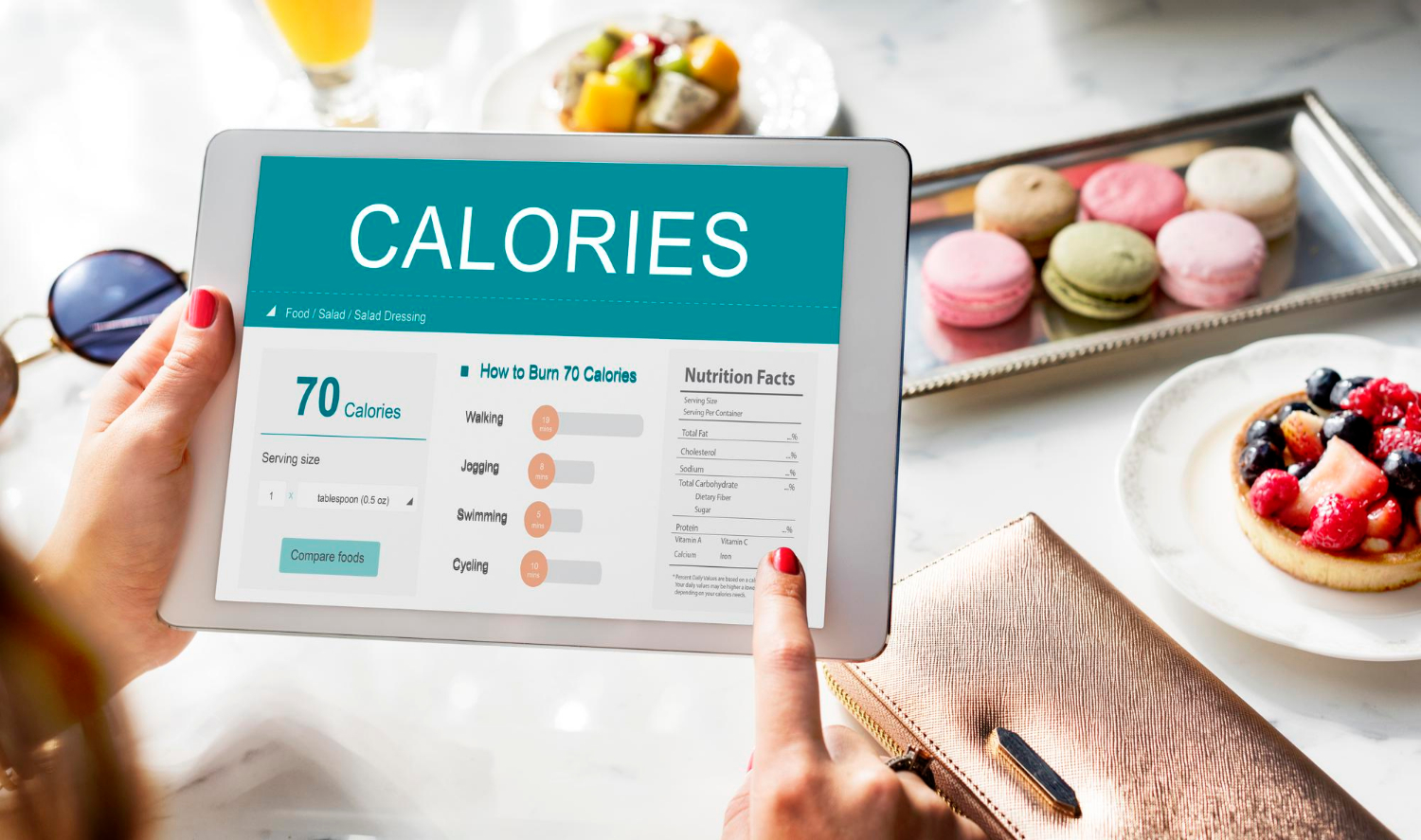
Egg (raw or boiled) | 1 large | 70 |
Boiled egg | 1 large | 70 |
Eggs | 2 large | 140 |
Egg whites | 2 whites | 34 |
Omelet (2 eggs, light oil) | 1 serving | 180–250 |
Scrambled eggs | 2 eggs | 180–220 |
Non-Vegetarian Foods & Calories
Non-vegetarian foods include chicken, fish, meat, and seafood.
They are high in protein, which helps build muscles and keeps you full longer.
Choosing lean options and healthy cooking methods helps control calories.
Food Item | Serving Size | Approx. Calories |
Chicken (cooked) | 100 g | 180–250 |
Chicken breast | 100 g | 165 |
Chicken curry | 1 cup | 250–400 |
Fish (white fish) | 100 g cooked | 120–150 |
Salmon | 100 g cooked | 200 |
Shrimp | 100 g cooked | 100 |
Turkey | 100 g cooked | 135 |
Bacon | 1 strip | 45 |
KFC fried chicken | 1 piece | 300–400 |
McDonald’s burger | 1 sandwich | 250–550 |
Subway sandwich | 6-inch sub | 300–700 |
Low-Calorie Foods That Help You Feel Full
If you’re trying to eat low calories but stay satisfied:
Vegetables (broccoli, salad, beans)
Fruits (apple, berries, orange)
Eggs
Chicken breast
Fish
Oats
Air-popped popcorn
Low-calorie foods help control hunger without strict dieting.
Why Weight Gain Happens (Common Causes in Dallas–Fort Worth)
Many North Texas patients gain weight due to:
Large restaurant portions
Sweet tea, soda, flavored coffee
Desk jobs and less movement
Late-night eating
Stress and poor sleep
Medical causes can include:
Thyroid problems
Prediabetes or diabetes
Hormonal changes
Certain medications
If weight doesn’t change after effort, labs may be needed.
What You Can Do (Simple & Realistic)
You don’t need extreme diets.
Try This Daily:
Drink water instead of soda
Walk 20–30 minutes
Eat protein at breakfast
Use smaller portions
Eat more vegetables
Consistency matters more than perfection.
Use Our Calorie Calculator (Best First Step)
Instead of guessing calories per day, use our online calorie calculator to:
Estimate maintenance calories
Set safe [weight-loss] goals
Avoid under-eating or overeating
Check Your Daily Calories Now
Use Our Calorie Calculator
Calculate Calories Per Day
Causes (Why Calories Go Out of Balance)
Weight gain and health problems related to calories often happen due to:
Eating large portions and frequent restaurant or fast food meals
Drinking high-calorie beverages like soda, sweet tea, and flavored coffee
Sitting for long hours with little physical activity
Late-night eating and frequent snacking
Poor sleep, stress, and hormonal changes
Medical conditions such as thyroid disorders, diabetes, or PCOS
Prevention (How to Stay Healthy)
You can prevent calorie-related weight gain by making small daily changes:
Eat balanced meals with vegetables, protein, and whole grains
Control portion sizes, especially when eating out
Drink water instead of sugary drinks
Walk or stay active for at least 20–30 minutes most days
Avoid skipping meals, which can lead to overeating later
Safety (Healthy & Safe Calorie Management)
Managing calories safely is important for long-term health:
Avoid extreme low-calorie diets without medical guidance
Do not skip meals or completely cut out food groups
Make sure you get enough protein, vitamins, and minerals
Listen to your body—fatigue, dizziness, or weakness are warning signs
Talk to a healthcare provider if you have medical conditions or are on medications
Diseases Related to Poor Calorie Balance
Eating too many or too few calories for a long time can affect the body and lead to health problems. Some common diseases linked to calorie imbalance include:
Metabolic & Hormonal Diseases
Obesity – excess body weight due to long-term high calorie intake
Overweight – early stage before obesity
Type 2 Diabetes – high blood sugar caused by insulin resistance
Prediabetes – warning stage before diabetes
Hypothyroidism – slow thyroid leading to weight gain and fatigue
PCOS (Polycystic Ovary Syndrome) – hormone imbalance affecting women
Heart & Blood Vessel Diseases
High Blood Pressure (Hypertension)
Stroke risk (in long term)
Digestive & Liver Diseases
Fatty Liver Disease – fat buildup in the liver
Acid Reflux (GERD)
Digestive problems from poor diet and low fiber
Bone, Muscle & Joint Problems
Joint pain and arthritis due to excess weight
Back pain
Low muscle strength from poor nutrition
Mental & Energy-Related Conditions
Chronic fatigue
Low energy levels
Mood changes or depression
Poor sleep quality
Nutrition-Related Conditions (Low Calories)
Malnutrition
Vitamin deficiencies
Anemia
Weak immunity
Important Note
Not everyone with these conditions eats “too much.”
Book an Appointment – North Texas Primary Care
At Passion Health Primary Care, we help North Texas patients across Dallas, Irving, Plano, Frisco, and Prosper:
Understand calories
Manage weight safely
Improve energy and overall health
Serving Dallas, Irving, Plano, Frisco, Prosper & nearby areas