
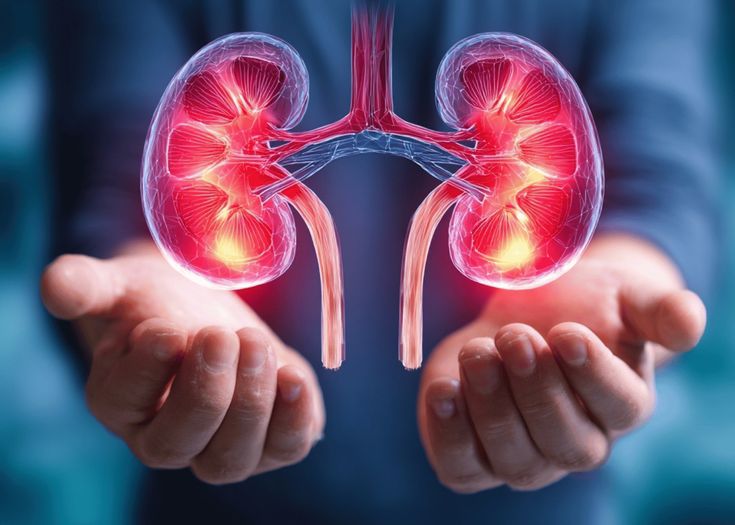
Complex Kidney Cysts: The Silent Threat You Shouldn’t Ignore Before It Turns Dangerous
You might think a kidney cyst is harmless. Many are. But complex kidney cysts can tell a very different story.
What starts as a small abnormality may silently grow, change, or even signal something more serious. Most people don’t notice symptoms until complications begin. That delay can cost valuable time.
If you’ve been told you have a kidney cyst—or you’re feeling unexplained discomfort—this is something you should not ignore. Early awareness can make all the difference.
At Passion Health Primary Care, patients often arrive unsure if their symptoms are serious. The goal is simple: identify risks early and guide you toward the right care before problems escalate.
Concerned about your symptoms? Book an appointment with Passion Health Primary Care today.
What are complex kidney cysts?
A kidney cyst is a fluid-filled sac that forms in or on the kidney. Many cysts are “simple,” meaning they look smooth and uniform on imaging and usually don’t cause problems.
Complex kidney cysts are different. On imaging, they may show features that make doctors look closer, such as:
Thicker walls
Partitions (called septations) inside the cyst
Calcifications (small calcium deposits)
Solid-appearing areas
Uneven shape or enhancement on contrast imaging
Importantly, “complex” does not automatically mean cancer. It means the cyst doesn’t have the classic appearance of a harmless simple cyst, so it requires careful evaluation and, sometimes, follow-up imaging.
Early Signs and Symptoms You Should Watch
Many people don’t notice symptoms early. However, as the cyst changes, warning signs may appear.
Common symptoms include:
Abdominal discomfort or pressure
Frequent urination
Fever (if infection develops)
Sometimes, symptoms are mild and easy to ignore. That’s what makes complex kidney cysts risky.
Not sure if these symptoms apply to you? Talk to a doctor today at Passion Health Primary Care —getting clarity early can prevent bigger problems later.
Causes and risk factors for kidney cysts
Doctors don’t always know exactly why kidney cysts form. Some cysts appear as people get older. Others may relate to underlying kidney conditions.
Factors that can increase the chance of kidney cysts or complications include:
Age (cysts become more common over time)
A personal or family history of kidney disease
Polycystic kidney disease (PKD) is a genetic condition with multiple cysts
Smoking (impacts blood vessels and kidney health)
Obesity and metabolic issues that strain the kidneys
Chronic dehydration habits
Even if you have risk factors, the most important thing is what the cyst looks like on imaging and whether it’s changing over time.
Why Complex Kidney Cysts Can Be Dangerous
This is where things become serious.
Unlike simple cysts, complex kidney cysts may:
Grow larger over time
Become infected
Rupture and cause pain
Affects kidney function
In rare cases, it can turn cancerous
The biggest danger is uncertainty. Without proper evaluation, it’s difficult to know whether a cyst is harmless or risky.
Delaying care can lead to complications that are harder to treat later. That’s why early diagnosis matters.
When to see a doctor (conversion section)
If you were told you have complex kidney cysts, it’s smart to schedule a medical visit even if you feel okay. Waiting can lead to missed follow-up imaging or delayed diagnosis of a complication.
Make an appointment soon if:
Your imaging report mentions “complex,” “septations,” “calcifications,” or “enhancing.”
You were told you need follow-up imaging, but you don’t know when
You have persistent flank/back pain
You have recurrent UTIs or urinary symptoms
You have rising blood pressure without a clear cause
You’re anxious about your results and want a clear plan
Seek urgent care immediately if:
You see blood in your urine
You have fever/chills with side pain
You have severe pain, vomiting, or can’t keep fluids down
At Passion Health Primary Care, we can review your symptoms, interpret next-step recommendations, order appropriate testing, and coordinate referrals if needed.
How Doctors Diagnose Complex Kidney Cysts
Diagnosis usually begins with imaging tests. These help determine the structure and risk level of the cyst.
Common diagnostic tools:
Ultrasound (initial screening)
CT scan (detailed imaging)
MRI (for complex cases)
Doctors may also check kidney function through blood and urine tests.
At Passion Health, the approach is patient-centered. Physicians explain results clearly and guide you through the next steps without confusion.
Treatment options:
Treatment depends on what the cyst looks like, whether it’s growing, and whether it’s causing symptoms.
Common approaches include:
Watchful waiting (monitoring)
If the cyst is low-risk on imaging and you have no symptoms, your doctor may recommend periodic monitoring.[1] This is not neglect—it’s a plan.
Treating complications (infection, pain, bleeding)
If a cyst becomes infected, treatment may include antibiotics and close follow-up. If there’s severe pain, your doctor will also rule out other causes, such as kidney stones.
Draining the cyst (for symptom relief)
If a cyst is causing symptoms or blocking normal flow, one option is draining it with a needle (guided by imaging). In some cases, a solution is used to reduce the recurrence of surgery (when needed)
For large cysts or certain complex features, a minimally invasive approach like laparoscopy may be recommended.[1] The goal is to address symptoms, prevent complications, and clarify the diagnosis when imaging is uncertain.
Your plan should fit your situation—not someone else’s. That’s why a personalized medical review matters.
What This Means for You
Hearing the term complex kidney cysts can feel overwhelming. However, not all cases are dangerous.
What matters most is:
Early detection
Proper diagnosis
Regular monitoring
With the right care, many people live healthy, normal lives. Ignoring symptoms, however, increases risk.
Taking action today puts you in control of your health.
Conclusion: Don’t Wait Until It Becomes Serious
Ignoring symptoms can lead to complications you didn’t expect. While some cysts are harmless, complex kidney cysts require attention and proper evaluation.
Early diagnosis offers reassurance. Delayed action increases risk.
Your health is too important to leave to chance.
Don’t ignore early warning signs. Book your appointment with Passion Health Primary Care today and take control of your kidney health before it’s too late.
Frequently Asked Questions
1. Are complex kidney cysts cancerous?
Not always. Some may carry a risk, but many are benign. Imaging helps determine the likelihood.
2. Can complex kidney cysts go away on their own?
Most do not disappear. They are usually monitored or treated based on changes.
3. How fast do complex cysts grow?
Growth varies. Some remain stable, while others may enlarge over time.
4. Is surgery always required?
No. Many cases only need observation. Surgery is recommended only when necessary.
5. Can lifestyle changes help?
Yes. Staying hydrated, managing blood pressure, and maintaining a healthy diet support kidney health.