Hypothyroidism: Symptoms, Causes, Diagnosis, and Treatment
A Complete Patient Guide from Passion Health Primary Care
Hypothyroidism is a common endocrine condition that occurs when the thyroid gland does not produce enough thyroid hormones. These hormones play a critical role in regulating metabolism, energy levels, heart function, digestion, and temperature control. When thyroid hormone levels are low, many body systems slow down, leading to a wide range of symptoms that can affect daily life.
At Passion Health Primary Care, our physicians diagnose and manage hypothyroidism with a personalized, patient-centered approach for individuals across the Dallas Metroplex.
What Is Hypothyroidism?
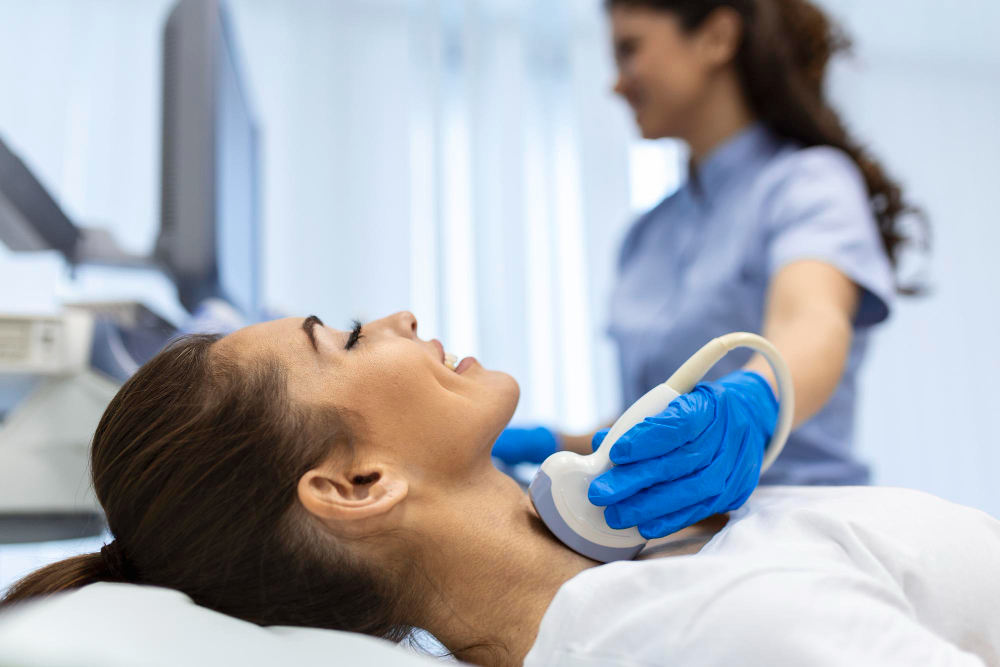
The thyroid is a small, butterfly-shaped gland located at the front of the neck. It produces hormones—thyroxine (T4) and triiodothyronine (T3)—that help control how your body uses energy.
Hypothyroidism occurs when:
- The thyroid gland does not make enough hormones, or
- The body cannot effectively use thyroid hormones
As hormone levels drop, bodily processes slow down, which can impact nearly every organ system.
Why Hypothyroidism Often Goes Undiagnosed
Hypothyroidism develops gradually, and symptoms may be mild at first. Many people mistakenly attribute early signs to:
- Stress
- Aging
- Depression
- Poor sleep
- Weight changes
Because symptoms are often nonspecific, hypothyroidism may remain undiagnosed for months or even years without proper testing.
Common Symptoms of Hypothyroidism
Symptoms vary by person and severity, but commonly include:
Physical Symptoms
- Persistent fatigue
- Weight gain despite normal eating habits
- Cold intolerance
- Dry skin and brittle nails
- Hair thinning or hair loss
- Puffy face
- Constipation
- Muscle weakness or stiffness
Cognitive and Emotional Symptoms
- Depression
- Anxiety
- Brain fog
- Memory issues
- Slowed thinking
Hormonal and Metabolic Symptoms
- Irregular menstrual cycles
- Fertility problems
- Decreased libido
- Low heart rate
If you experience multiple symptoms consistently, thyroid testing is recommended.
Causes of Hypothyroidism
Hypothyroidism can develop for several reasons, including:
1. Autoimmune Disease (Most Common)
The most frequent cause is Hashimoto’s thyroiditis, where the immune system mistakenly attacks the thyroid gland.
2. Thyroid Surgery
Removal of part or all of the thyroid gland can reduce hormone production.
3. Radiation Therapy
Radiation to the neck or upper chest can damage the thyroid.
4. Medications
Certain medications can interfere with thyroid hormone production.
5. Iodine Deficiency
Although rare in the U.S., iodine deficiency can contribute to hypothyroidism.
6. Congenital Conditions
Some people are born with an underactive thyroid.
Hypothyroidism in Women
Women are significantly more likely than men to develop hypothyroidism. Hormonal changes during:
- Pregnancy
- Postpartum period
- Menopause
can trigger or worsen thyroid dysfunction.
Untreated hypothyroidism in women may lead to:
- Menstrual irregularities
- Infertility
- Pregnancy complications
- Increased risk of miscarriage
Routine screening is especially important for women with symptoms or family history.
How Hypothyroidism Is Diagnosed
Diagnosis involves a combination of symptom review, medical history, and blood tests.
Common Thyroid Tests Include:
- TSH (Thyroid Stimulating Hormone) – Elevated levels suggest hypothyroidism
- Free T4 – Measures available thyroid hormone
- Thyroid Antibody Tests – Helps identify autoimmune causes
Primary care providers can accurately diagnose hypothyroidism through these routine tests.
Treatment Options for Hypothyroidism
Hypothyroidism is typically a lifelong condition, but it is highly manageable with proper treatment.
1. Thyroid Hormone Replacement Therapy
The most common treatment involves daily thyroid hormone medication that:
- Replaces missing hormones
- Restores normal metabolic function
- Relieves symptoms gradually
2. Regular Monitoring
Blood tests are repeated periodically to:
- Ensure proper hormone levels
- Adjust medication dosage if needed
3. Lifestyle and Nutrition Support
Supportive strategies may include:
- Balanced nutrition
- Weight management
- Stress reduction
- Sleep optimization
Treatment is personalized based on age, symptoms, and overall health.
Can Hypothyroidism Be Prevented?
While autoimmune causes cannot be fully prevented, early detection reduces complications.
You can reduce risk by:
- Getting regular health checkups
- Managing autoimmune conditions
- Monitoring thyroid levels if you have family history
- Seeking evaluation when symptoms appear
What Happens If Hypothyroidism Is Left Untreated?
Untreated hypothyroidism may lead to serious complications, such as:
- Heart disease
- High cholesterol
- Peripheral neuropathy
- Depression
- Infertility
- Goiter (thyroid enlargement)
Early diagnosis and treatment significantly reduce these risks.
When Should You See a Primary Care Provider?
Schedule an appointment if you:
- Feel persistently tired without explanation
- Have unexplained weight gain
- Experience mood changes or depression
- Have menstrual irregularities
- Have a family history of thyroid disease
Primary care providers are often the first and best point of contact for thyroid evaluation.
Hypothyroidism Care at Passion Health Primary Care
At Passion Health Primary Care, we provide:
- Comprehensive thyroid testing
- Personalized treatment plans
- Long-term monitoring
- Care coordination for related conditions
- Telemedicine visits when appropriate
We proudly serve patients in Irving, Plano, Frisco, Prosper, Aubrey, Kaufman, Flower Mound, Ennis, and surrounding Texas communities.
Schedule an Appointment
If you suspect hypothyroidism or need ongoing thyroid management, our experienced primary care team is here to help.
https://passionhealthphysicians.com/page-screening/
👉 Schedule your appointment with Passion Health Primary Care today.