
Six Key Takeaways
- A primary care doctor in Frisco can evaluate, treat, and monitor high blood pressure.
- One high reading does not confirm hypertension; repeated measurements help reveal a pattern.
- Your readings, health history, and heart risk guide lifestyle and medication decisions.
- Correct home monitoring and a written blood pressure log support ongoing care.
- Regular follow-up helps your doctor review progress and coordinate specialist care when needed.
- Call 911 for readings above 180 systolic or 120 diastolic with chest pain, breathing trouble, or stroke symptoms.
Yes. A primary care doctor can evaluate high blood pressure, recommend treatment, and monitor your progress. When needed, your doctor can also coordinate specialist care.
Perhaps a pharmacy reading surprised you, or your home monitor keeps showing higher numbers. Finding a doctor for high blood pressure in Frisco gives you a starting point for understanding those results.
For ongoing care, request an appointment with Passion Health Advanced Primary Care.
Why Start With Primary Care for Hypertension?
Primary care connects blood pressure management with your overall health. Rather than focusing only on a number, your doctor considers your medical history, medications, daily habits, and cardiovascular risk.
Additionally, regular visits create opportunities to discuss side effects, treatment costs, and difficulties following your plan. Those conversations help your care team recommend practical next steps.
The American Heart Association’s current guidance emphasizes coordinated care, home monitoring, and treatment decisions that account for individual risk.
Does a One High Reading Mean You Have Hypertension?
One elevated reading does not automatically establish a diagnosis. However, it deserves attention, especially if additional measurements remain high.
Your doctor may repeat measurements and recommend home monitoring or a portable monitor that records readings throughout the day. These results help show whether blood pressure stays elevated outside the clinic.
Therefore, bring a record rather than relying on memory. A doctor for high blood pressure in Frisco can review the pattern and explain what further evaluation makes sense. Home monitoring can help confirm office findings and guide ongoing care.
When Does High Blood Pressure Need Emergency Attention?
Call 911 immediately if your upper number exceeds 180 or your lower number exceeds 120, and you have chest pain, shortness of breath, weakness, numbness, vision changes, back pain, or difficulty speaking.
Do not wait for an office appointment or for the reading to fall.
If you have no symptoms but see readings above those levels, wait at least one minute and check again. If the reading remains that high, contact a healthcare professional immediately. Also, seek emergency help for possible heart attack or stroke symptoms regardless of your reading.
What Happens at Your First Blood Pressure Appointment?
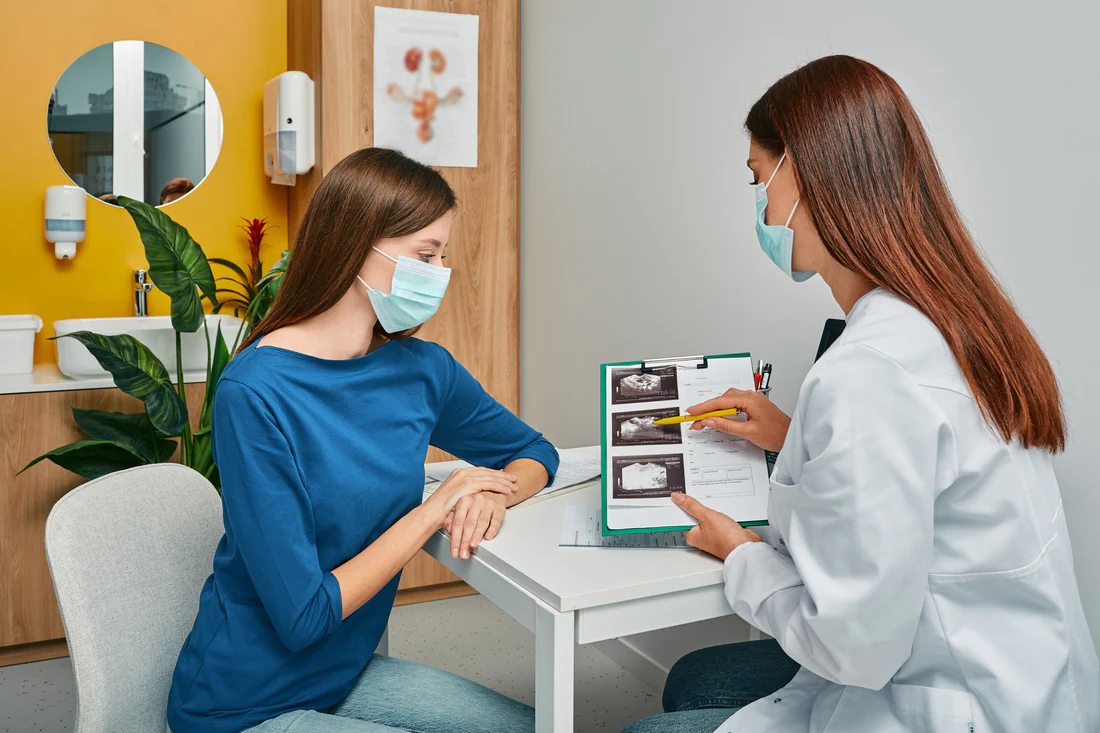
Your first visit helps your doctor understand the readings and identify factors that may influence treatment.
How Will Your Provider Check Your Blood Pressure?
The care team checks your blood pressure with an appropriate cuff and may repeat the measurement after quiet rest. Also, bring your home monitor so the team can review your technique.
Which Health Details Should You Discuss?
Share your medical history, family history, sleep concerns, and medication list. Include supplements and over-the-counter products.
For example, mention frequent pain-reliever use or cold medicines rather than assuming they have no relevance.
What Should You Bring?
Bring recent readings, medication doses, previous laboratory results, and questions. Depending on your evaluation, your doctor may recommend blood tests, urine testing, or other assessments.
How Does a Primary Care Doctor Treat High Blood Pressure?
Treatment combines appropriate daily habits with medication when necessary. Your readings, other conditions, and overall risk help guide the plan.
Which Daily Habits Can Help?
Your provider may recommend reducing sodium, following a DASH-style eating pattern, staying active, managing weight, and limiting alcohol.
Instead of changing everything at once, discuss manageable steps. For example, compare sodium labels on foods you buy regularly or plan activity that fits your schedule.
Additionally, discuss tobacco use, stress, and sleep concerns. Your care team can help you identify priorities.
When Might You Need Medication?
Medication decisions depend on more than one reading. Some patients need medicine alongside lifestyle changes, particularly when their blood pressure or cardiovascular risk warrants treatment.
If your doctor prescribes medication, ask about its purpose, possible side effects, and monitoring needs. Never stop or adjust it without discussing the change with your care team.
How Will Your Doctor Monitor Progress?
Follow-up visits allow your provider to review readings, symptoms, and how well the plan fits your routine. Then, the team can discuss adjustments when appropriate.
How Can You Measure Blood Pressure at Home?
Use a validated automatic upper-arm monitor with a cuff that fits. Before measuring:
Avoid smoking, caffeine, and exercise for 30 minutes.
Empty your bladder and rest quietly for five minutes.
Sit with your back supported and feet flat.
Support your bare arm at heart level.
Remain quiet during measurement.
Take two readings one minute apart and record both.
Also, ask your provider when and how often to measure. Follow the American Heart Association’s home monitoring guidance and share your log at appointments.
When Might You Need a Specialist?
Your primary care doctor may recommend specialist evaluation when blood pressure remains difficult to control or another condition may contribute.
For example, the evaluation may consider kidney problems or sleep apnea. Referral choices depend on the findings; not every patient needs a cardiologist.
Meanwhile, primary care can continue coordinating your broader health needs and follow-up.
How Can Passion Health Advanced Primary Care Help in Frisco?
Passion Health Advanced Primary Care offers adult primary care and family medicine in Frisco. Its family medicine services include care for high blood pressure and other ongoing conditions.
If you need a doctor for high blood pressure in Frisco, contact the clinic to discuss appointment availability and your concerns.
The practice lists its Frisco address as 8195 Custer Rd, Suite 110, Frisco, TX 75035. Visit the Frisco location page for clinic details and directions. Before your appointment, confirm insurance participation and potential costs.
Final Takeaway: What Should You Remember About Blood Pressure Care?
Keep these six points in mind:
Primary care can coordinate hypertension treatment.
Repeated readings help clarify your blood pressure pattern.
Your medical history influences treatment decisions.
Correct home measurement improves the usefulness of your log.
Follow-up supports medication and lifestyle adjustments.
Emergency symptoms require immediate action.
Finding a doctor for high blood pressure in Frisco starts a conversation about your readings and next steps. Book an appointment with Passion Health Advanced Primary Care.
Take the next step with Passion Health Advanced Primary Care
Book your Frisco appointment.
Frequently Asked Questions
1. Can high blood pressure occur without symptoms?
Yes. Many people notice no symptoms, so measurements matter even when they feel well.
2. Should I bring my home monitor?
Yes. Your care team can review cuff fit and technique and compare measurements.
3. Does everyone need medication?
No. Your provider considers your blood pressure, medical conditions, and cardiovascular risk before recommending treatment.
4. How often will I need follow-up?
Timing depends on your readings and treatment plan. Ask when to return and which changes require earlier contact.
5. How do I book blood pressure care in Frisco?
Use Passion Health’s appointment page and select Frisco. Mention blood pressure concerns when requesting your visit.
About the Author
Dr. Anantha Chentha is a board-certified internal medicine physician with extensive experience in primary care and chronic disease management. He provides comprehensive, patient-centered care with a focus on prevention, accurate diagnosis, and long-term health management.
View Provider Profile →