Cardiology
Heart health is one of the most important aspects of overall wellness. Your heart works tirelessly every day to supply oxygen and nutrients throughout your body. When heart function is compromised, it can affect every organ system and significantly impact your quality of life. At Passion Health Primary Care, we provide comprehensive cardiology services across the Dallas-Fort Worth area, helping patients prevent, diagnose, and manage heart conditions with personalized, evidence-based care.
Understanding Cardiology
Cardiology is the branch of medicine that focuses on diagnosing and treating disorders of the heart and blood vessels. Cardiologists and trained primary care physicians work together to manage conditions such as high blood pressure, coronary artery disease, heart rhythm disorders, and heart failure.
At Passion Health Primary Care, our approach to cardiology emphasizes prevention, early diagnosis, and coordinated care. By identifying risk factors early and implementing appropriate lifestyle and medical interventions, many serious heart conditions can be prevented or controlled.
High Blood Pressure (Hypertension)
Heart Blockage (Coronary Artery Disease)
Chest Pain (Angina)
Heart Attack
Irregular Heartbeat (Arrhythmia)
Heart Failure
High Cholesterol
Valve Disorders
Cardiomyopathy (Weak Heart Muscle)
Stroke-Related Heart Problems
An ECG records the electrical activity of your heart through small sensors placed on the skin. It helps detect irregular heartbeats, heart attacks, and signs of heart strain.
This test is quick, painless, and usually completed within a few minutes, making it an essential part of routine heart evaluations.
An echocardiogram uses sound waves to create real-time images of your heart’s structure and movement. It shows how well your heart pumps and how your valves function.
Doctors use this test to diagnose heart failure, valve disease, and congenital heart conditions without any radiation exposure.
A stress test measures how your heart responds to physical activity by monitoring ECG, heart rate, and blood pressure while you walk on a treadmill.
It helps identify reduced blood flow to the heart and evaluates exercise capacity and chest pain symptoms.
Holter monitoring records your heart rhythm continuously for 24 to 48 hours while you go about your daily routine.
It is especially useful for detecting hidden rhythm disorders, palpitations, fainting spells, and unexplained fatigue.
Event Monitoring
An event monitor is worn for several days or weeks to record abnormal heart rhythms when symptoms occur.
Patients activate the device during discomfort, allowing doctors to capture rare or intermittent rhythm problems.
Cardiac Catheterization
This procedure involves inserting a thin tube through a blood vessel to reach the heart.
It helps measure heart pressures, evaluate valve function, and assess coronary artery disease.
This advanced CT scan provides detailed images of heart arteries without invasive procedures.
It helps detect early blockages and assess chest pain in low to moderate-risk patients.
Carotid Doppler Ultrasound
This test uses ultrasound waves to check blood flow in neck arteries supplying the brain.
It helps evaluate stroke risk and guides preventive treatment.
Dr. Prashanthi Atluri, MD, FACC – Board-Certified Cardiologist | Advocate for Natural Healing and Lifestyle Medicine Dr. Prashanthi Atluri is a dedicated and highly experienced physician specializing in internal medicine and general cardiology.
Prior to her current role, Dr. Atluri served for over a decade as an Assistant Professor of Medicine at Louisiana State University Health Sciences Center (LSUHSC) in New Orleans, where she was deeply involved in clinical practice, education, and research.
Her academic contributions include training medical residents and students in clinical cardiology, as well as conducting research and publishing several peer-reviewed articles and case reports on complex cardiovascular topics.
Dr. Atluri completed her residency in Internal Medicine and fellowship in General Cardiology at LSUHSC, New Orleans, after earning her medical degree from Siddhartha Medical College in India. Her additional training includes a transitional year at LSU Medical Center in Lafayette and early clinical experience at Uma Nursing Home and Spandana Psychiatry Clinic in India. Dr. Atluri is board certified in Internal Medicine and Cardiovascular Disease and holds sub-specialty certifications in Echocardiography and Nuclear Cardiology. Her clinical interests include consultative cardiology, valvular heart disease, cardiac imaging, echocardiography, and vascular ultrasound.
She is particularly passionate about integrating holistic and lifestyle-based approaches into her medical practice. Her work has been presented at numerous regional and national conferences, and she has co-authored several scientific publications. Dr. Atluri is also active online, offering lectures on natural living, lifestyle medicine, and the body’s innate self-healing mechanisms, promoting the principles of nature cure and hygiene. In addition to her clinical and academic pursuits, she has contributed to public health initiatives through the World Health Organization, focusing on HIV awareness, immunization education, and maternal health. With a compassionate approach to care and a holistic vision of wellness, Dr. Atluri continues to make a lasting impact in the field.

An echocardiogram is a non-invasive ultrasound of the heart. It shows real-time images of the heart’s chambers, valves, muscle, and blood flow—helping doctors see how well the heart is working.

A test that evaluates how well the heart works when it’s pushed—by exercise or medication—to uncover problems that may not show up at rest.

A Holter monitor is a portable ECG device worn continuously—usually 24 to 48 hours (sometimes longer)—to record your heart’s rhythm during normal daily activities.
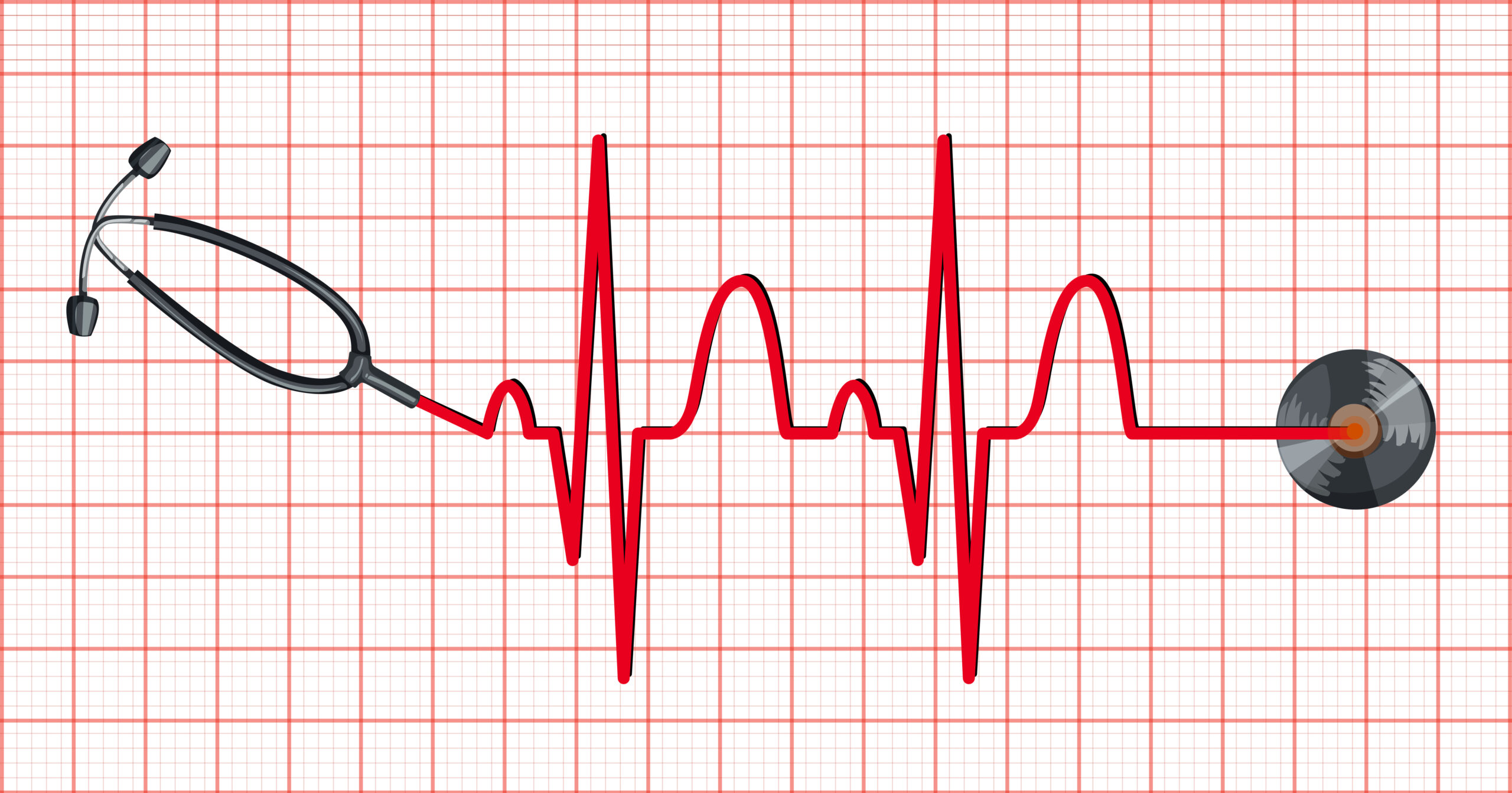
painless test that records the heart’s electrical activity. It shows how fast the heart beats, how regular the rhythm is, and whether there are signs of heart damage or strain
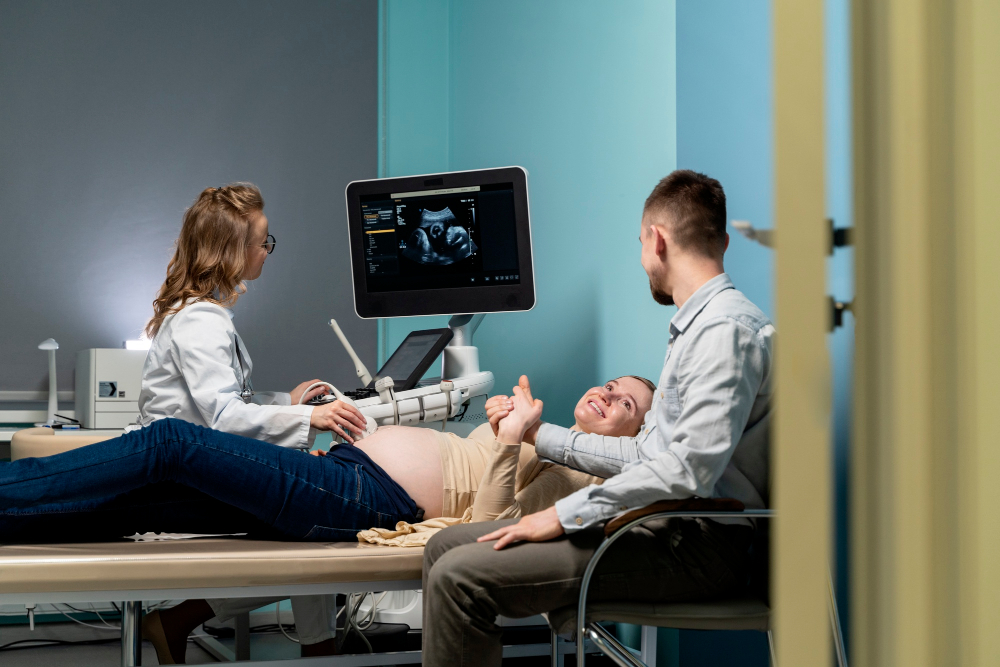
A peripheral arterial ultrasound (also called arterial Doppler or arterial duplex) is a non-invasive test that checks blood flow in the arteries of the arms or legs. It helps detect blockages, narrowing, or reduced circulation
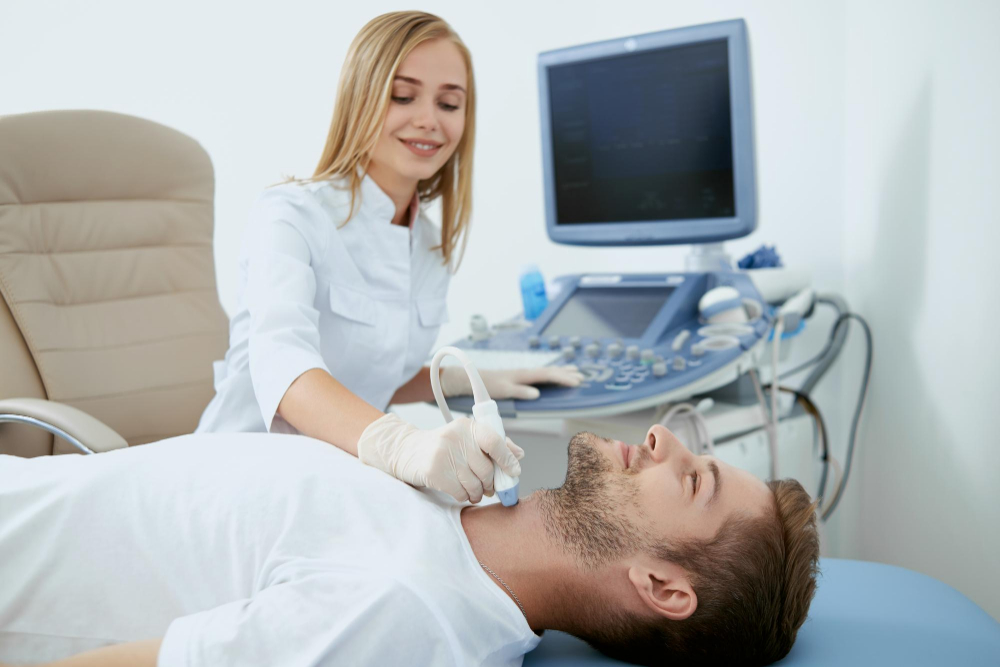
A carotid ultrasound is a non-invasive test that uses sound waves to check blood flow in the carotid arteries (the main arteries in the neck that supply blood to the brain).
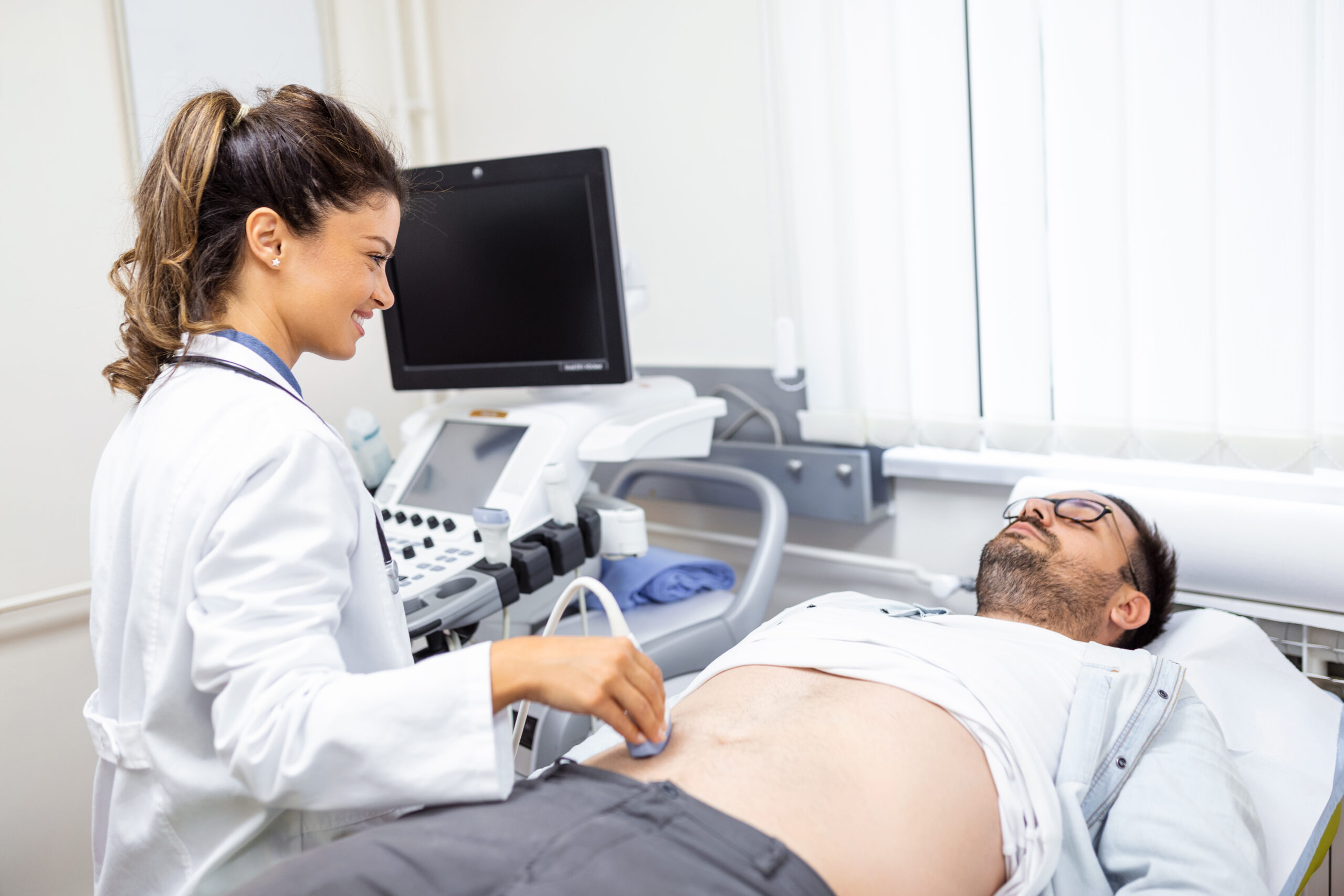
An abdominal ultrasound is a safe, non-invasive imaging test that uses sound waves to create pictures of the organs inside the abdomen. It helps doctors evaluate pain, swelling, or abnormal lab findings—without radiation.

Life Line Screening is a preventive health screening program offered by Life Line Screening. It focuses on early detection of cardiovascular and stroke-related conditions—often before symptoms appear.